The Hanford Site is now immobilizing radioactive waste in glass: a process known as vitrification. PNNL contributed 60 years of materials science expertise—and is providing operational support—to help the nation meet this cleanup milestone.
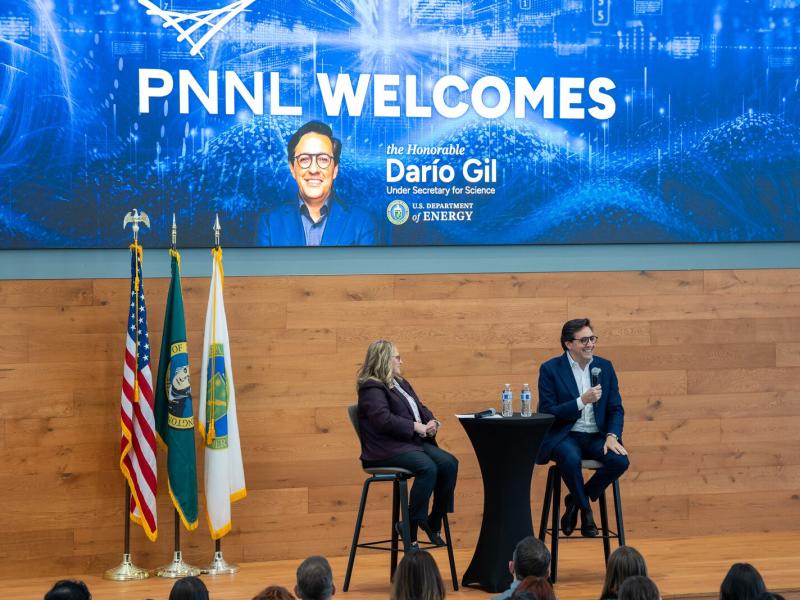
The Genesis Mission will mobilize the Department of Energy’s 17 National Laboratories, industry, and academia to build an integrated discovery platform.
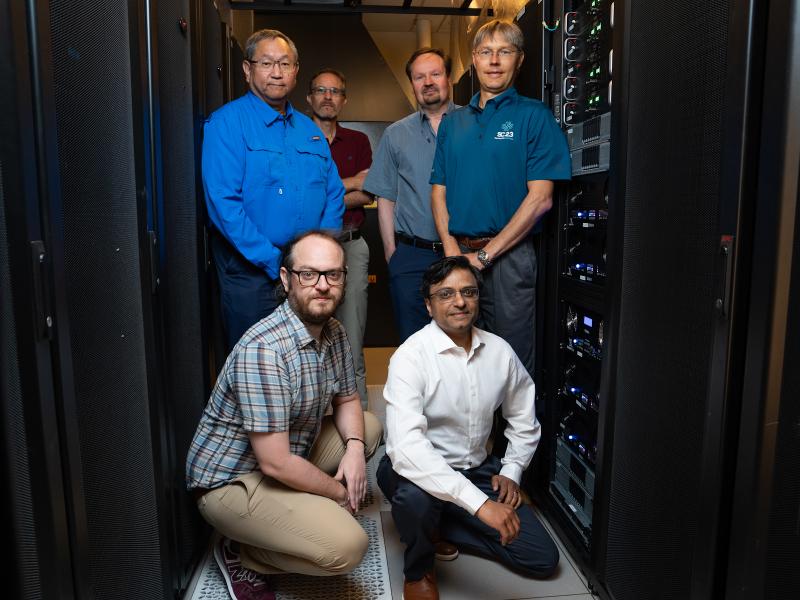
Distributed science is thriving at PNNL, where scientists share data and collaborate with researchers around the world to increase the impact of the work.
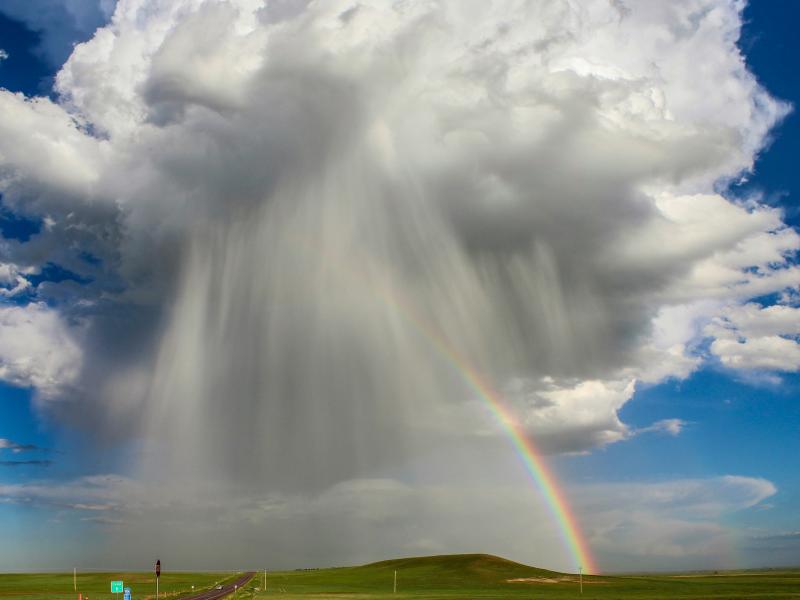
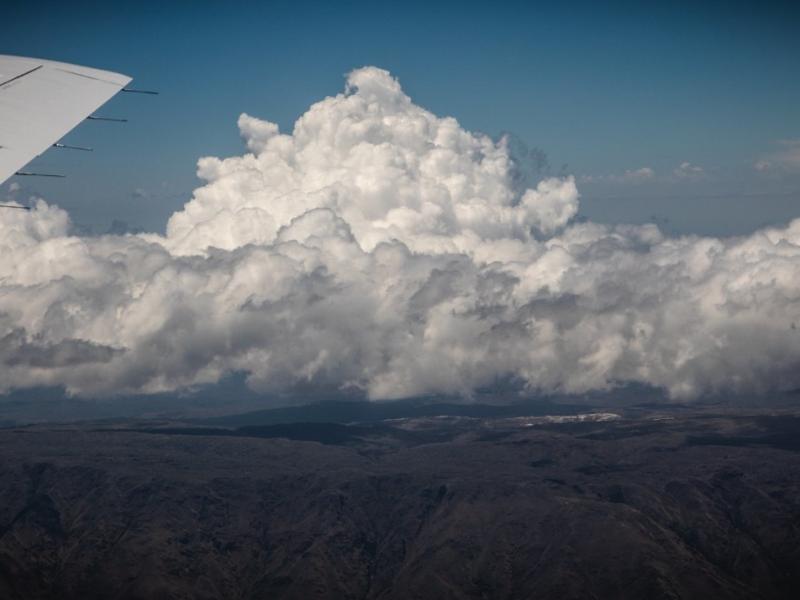
The ability of a storm-resolving weather model to predict the growth of storms over central Argentina was evaluated with data from the Clouds, Aerosols, and Complex Terrain Interactions (CACTI) field campaign in central Argentina.
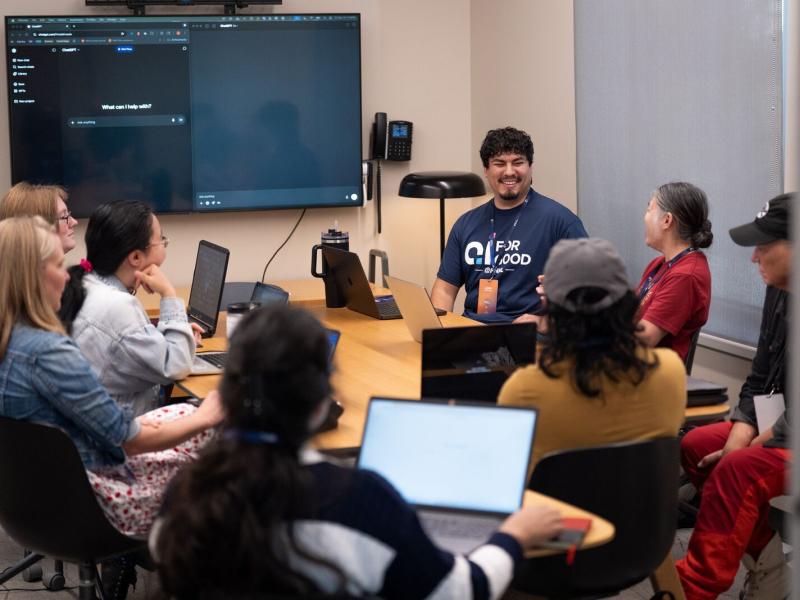
This summer, scientists at PNNL led discussions on their latest research related to artificial intelligence and One Health at the Health and Environmental Sciences Institute conference.
PNNL researchers continue to deliver high-quality, high-impact research on radioactive waste and nuclear materials management, earning “Papers of Note” and “Superior Paper” awards.
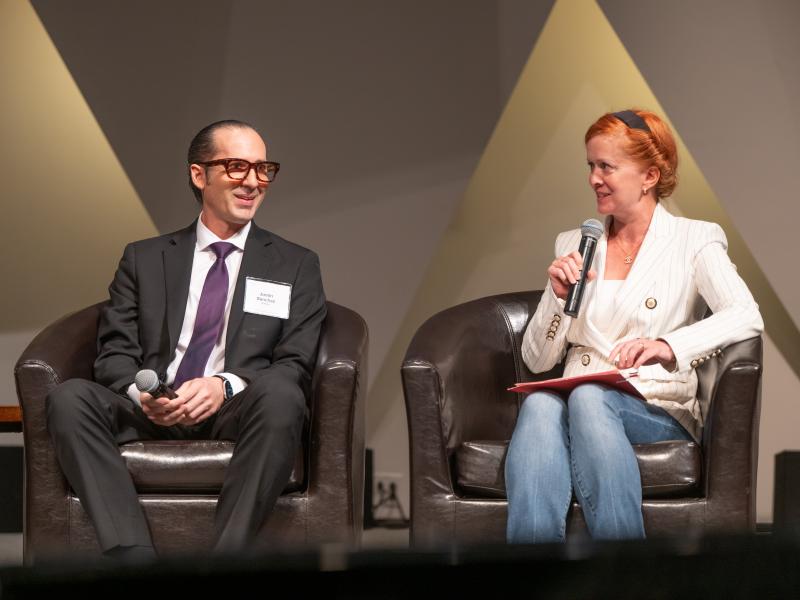
Aaron Luttman and Jonathan Forman represented PNNL at the high-profile "Risk and Reduction Science and Policy Forum" organized by Johns Hopkins University and supported by the Defense Threat Reduction Agency.
Atmospheric aerosol particles modulate climate and the Earth’s energy balance by scattering and absorbing sunlight. They also seed clouds, acting as cloud condensation nuclei.
Extensive in situ and remote sensing measurements were collected to address data gaps and better understand the interactions of convective clouds and the surrounding environment.
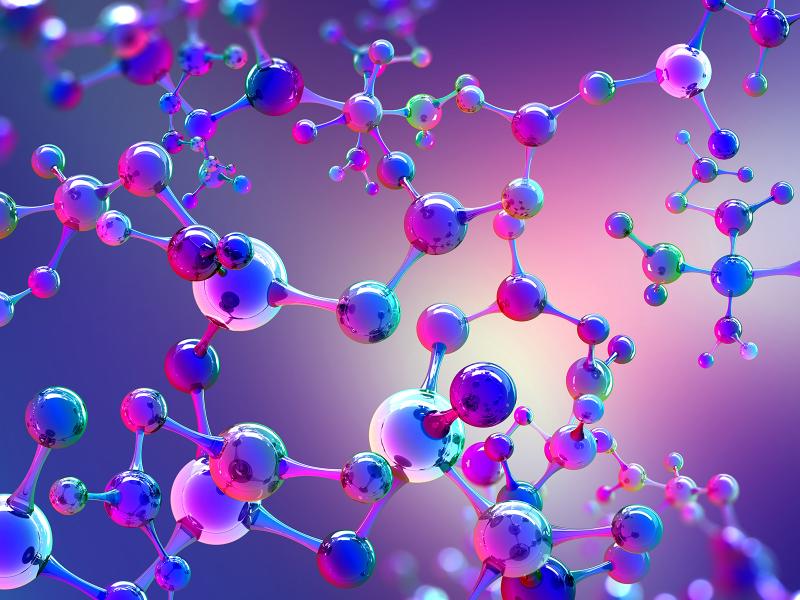
PNNL researchers have published their paper, “Introducing Molecular Hypernetworks for Discovery in Multidimensional Metabolomics Data,” in the Journal of Proteome Research.