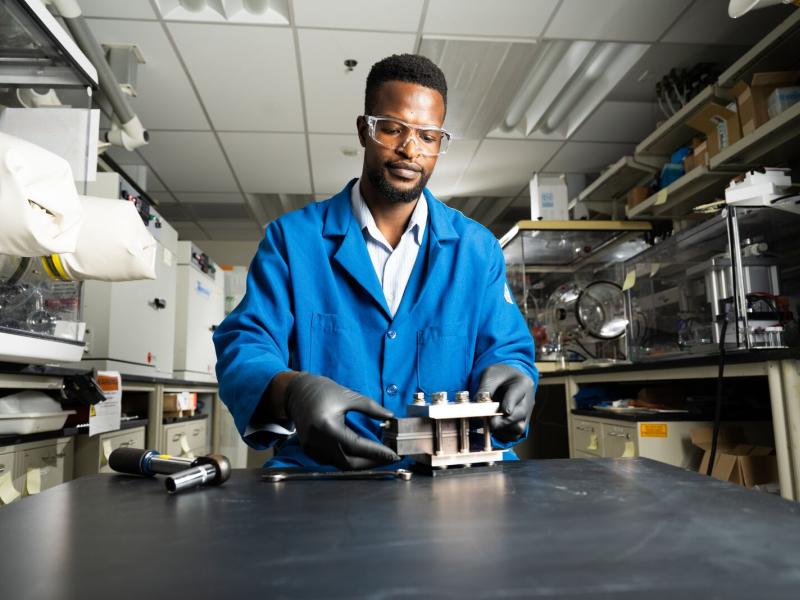
The Grid Storage Launchpad dedication event was attended by leaders in grid and transportation energy storage, battery innovation, and industry stakeholders working to transform America’s energy system.
PNNL will engage with transmission planners and other regional partners through technical assistance and listening sessions with the goal of exploring opportunities to integrate equity into transmission planning.
Researchers are planning for an electric grid that deploys machine learning to think ahead, plan for the worst, anticipate demand, and meet consumer needs safely and securely.
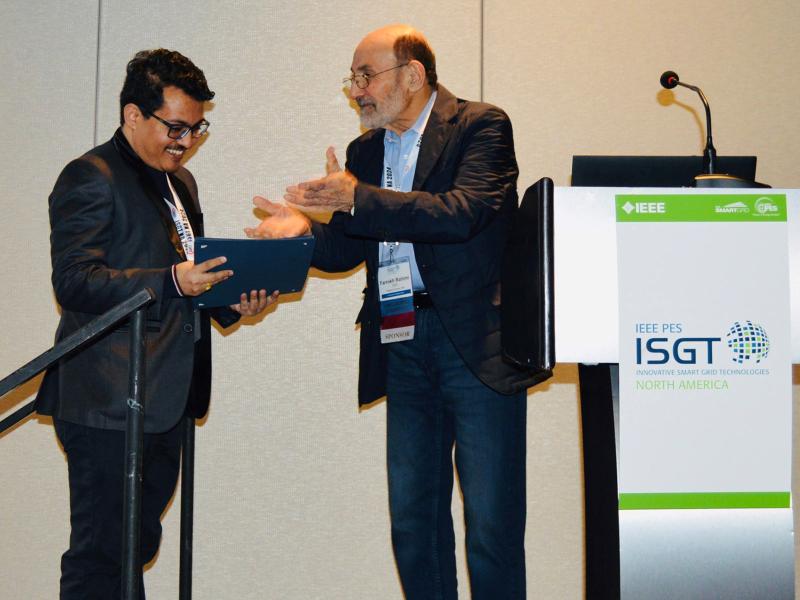
Erich Hsieh, Deputy Assistant Secretary for OE’s Energy Storage Division, shared insights about the Grid Storage Launchpad and energy storage innovations .
Climate change is bringing more extreme summer weather, from heat waves to hurricanes, that can disrupt the flow of electricity. Here’s how PNNL scientists are working on solutions to protect the nation’s electric grid.
PNNL and collaborators developed new models—recently approved by the U.S. Western Electricity Coordinating Council (WECC)—to help utilities understand how new grid-forming inverter technology will enhance grid stability.
At the second Grid Resilience to Extreme Events Summit, a diverse range of experts gathered to tackle the biggest challenges in building a resilient grid.
PNNL computing experts Robert Rallo and Court Corley contribute their knowledge to a recent DOE report on applications of AI to energy, materials, and the power grid.
PNNL advisors joined a panel of Washington State emergency management personnel to discuss how partnerships with national laboratories are enabling science and technology solutions.
IEEE Power and Energy Society Task Force Focused on Equity and Energy Justice, led by PNNL staff member Bethel Tarekegne, guides important changes in energy policy and regulation.
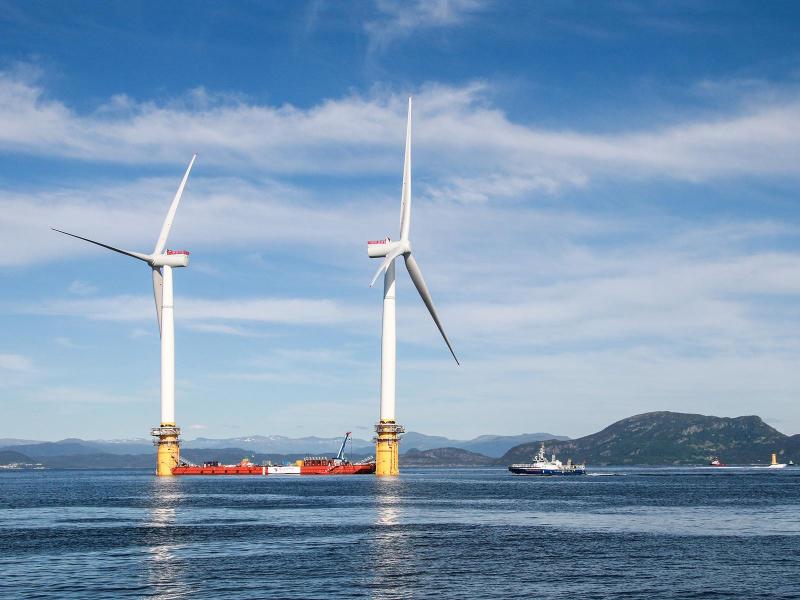
Researchers seek to bring down costs, address potential environmental risks and maximize the benefits of harnessing wind energy above the deep waters of the Pacific.
In 2006, battery research was practically non-existent at PNNL. Today, the lab is lauded for its battery research. How did PNNL go from a new player to a leader in state-of-the-art storage for EVs and the grid?