Global experts gathered at PNNL for the 9th International Conference on Sodium Batteries, sharing advancements in sodium battery research and development.
Through a detailed examination of historical data supported by mechanistic analysis and model experiments, researchers unveil that a large-scale climate system intensifies heat extremes and wildfire risks in the PNW.
A Helios Hydra UX DualBeam, which utilizes a plasma focused ion beam and scanning electron microscope for sample preparation and analysis, was installed at the Grid Storage Launchpad.
This study shows that dry dynamics alone is not enough to understand jet stream persistence. Instead, clouds and precipitation are more important contributors than internal “dry” mechanisms to this memory of the Southern Hemisphere jet.
Energy storage is increasingly critical to building a resilient electric grid in the United States—a trend embodied by the Grid Storage Launchpad, a newly inaugurated, 93,000-square-foot facility at PNNL.
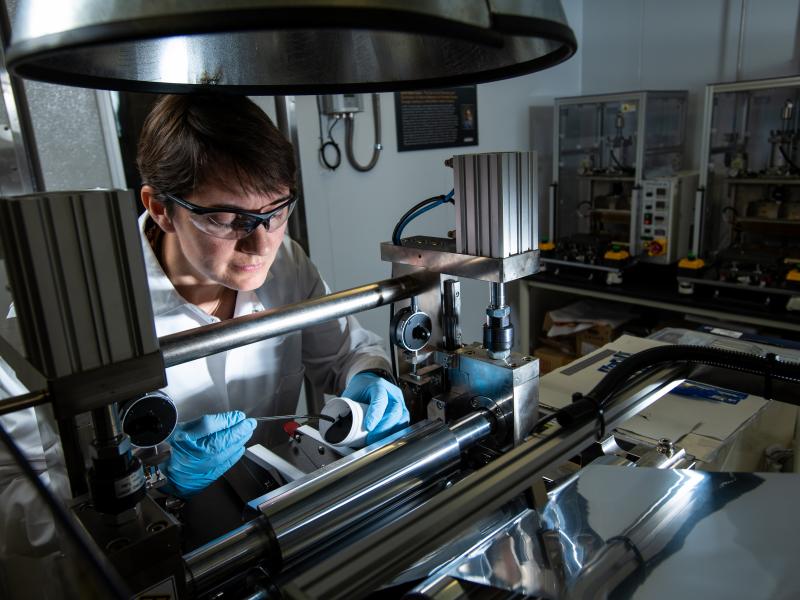
The Sodium-ion Alliance for Grid Energy Storage, led by PNNL, is focused on demonstrating high-performance, low-cost, safe sodium-ion batteries tested for real-world grid applications.
This study provides a comprehensive analysis of isolated deep convection & mesoscale convective systems using self-organizing maps to categorize large-scale meteorological patterns and a tracking algorithm to monitor their life cycle.
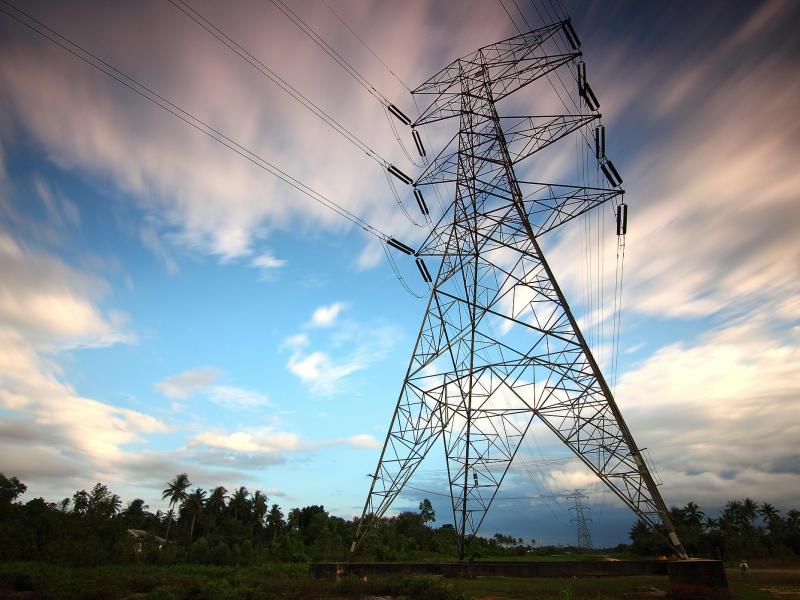
Three PNNL-supported projects are at the forefront of developing advanced data analytics technologies to enhance the U.S. power grid’s reliability, resilience, and affordability.
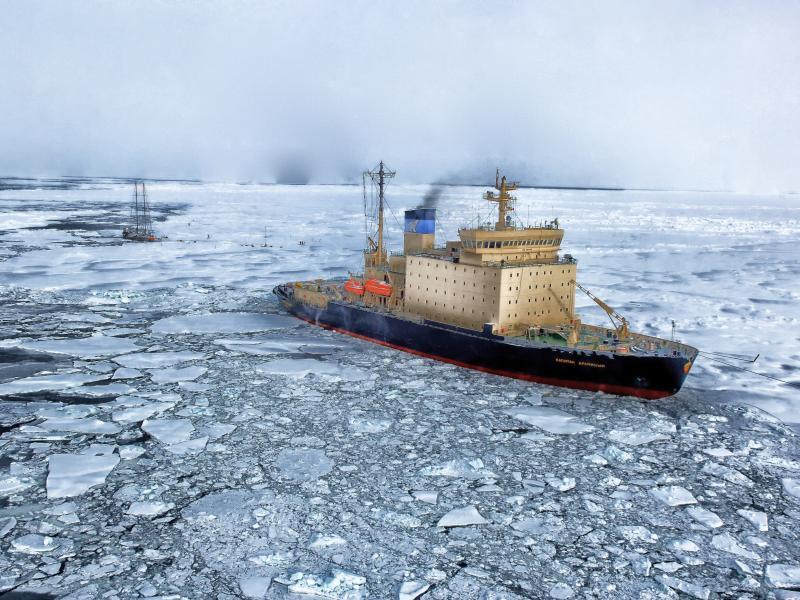
This study explored the future effects of climate change and low-carbon energy transition (i.e., emission reduction) on Arctic offshore oil and gas production.
Using numerical simulations to reproduce the laboratory experiments, this study reveals that liquid droplets are present near the bottom surface, which warms and moistens the air in the chamber.
This work shows that linear pattern scaling is an effective means of obtaining global-to-local relationships for CMIP6 models, as it has been in past model eras.
This study examined the role of river sinuosity using computer models to understand what drives hyporheic exchange, a process that significantly affects water quality and ecosystem health.
PNNL postdoc Pengfei Shi won first place in the Early Career Researcher Poster Competition at the recently concluded NOAA Subseasonal and Seasonal Applications Workshop.
Data-gathering instruments will be positioned on commercial, ocean-going ships in a Department of Energy-funded project that is expected to improve understanding of marine atmosphere and aerosol–cloud interactions.