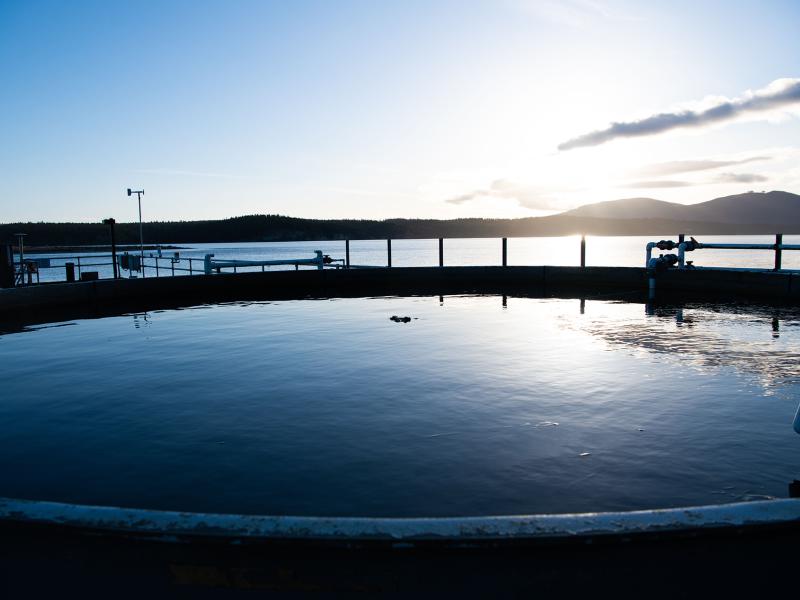
The first tidal turbine deployed in the Pacific Northwest at PNNL-Sequim showcases the Lab’s growing role as a regional center for marine energy research.
PNNL researchers earned five Papers of Note, 17 Superior Papers, and one poster award for their environmental remediation, radioactive waste, and nuclear energy-related presentations.
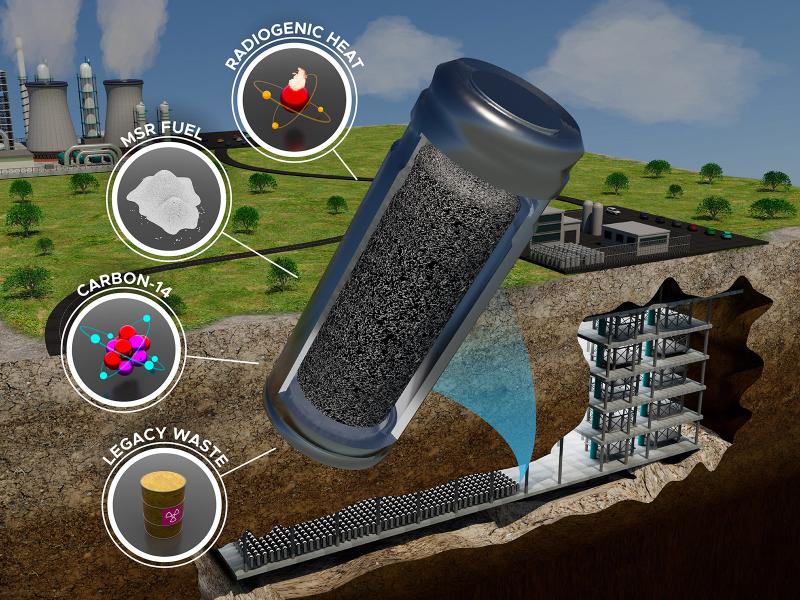
New funding spurs a new approach to researching the effective retrieval and processing of legacy radioactive waste. Four-year focus of the IDREAM EFRC will link attosecond timescales to decades-long chemical processes.
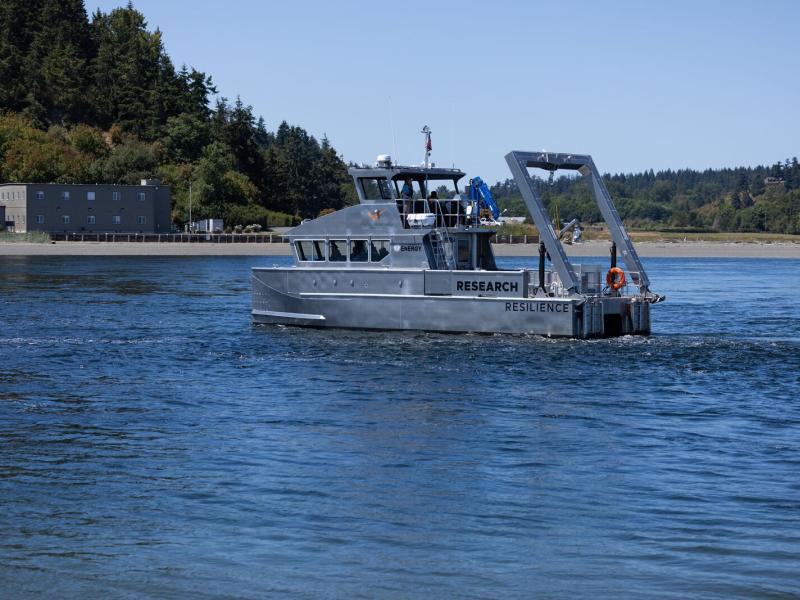
The first-of-its kind vessel will allow researchers to transport large equipment and take measurements in near-silence with reduced impact on wildlife.
Recycling polyolefin materials is challenging. One waste management strategy is plastic upcycling. New work demonstrates a single-step upcycling route coupling cracking and alkylation, recycling carbon and keeping valuable resources active.
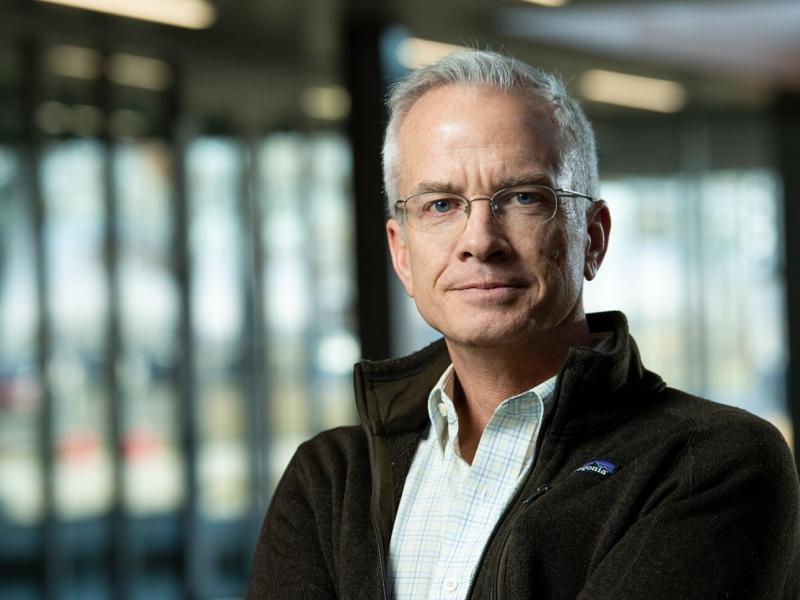
Kriston Brooks received the 2023 Department of Energy Office of Classification Outstanding DC Award, which is given to those in the classification community who have made significant contributions.
PNNL served as workshop partner for the 2024 Marine Technology Society Buoy Workshop, held this year in Sequim, Washington, where PNNL operates the only marine research facilities in the Department of Energy system.
Frederick Day-Lewis, Lab Fellow and chief geophysicist at PNNL, was named the 2024 recipient of the Geological Society of America Public Service Award.
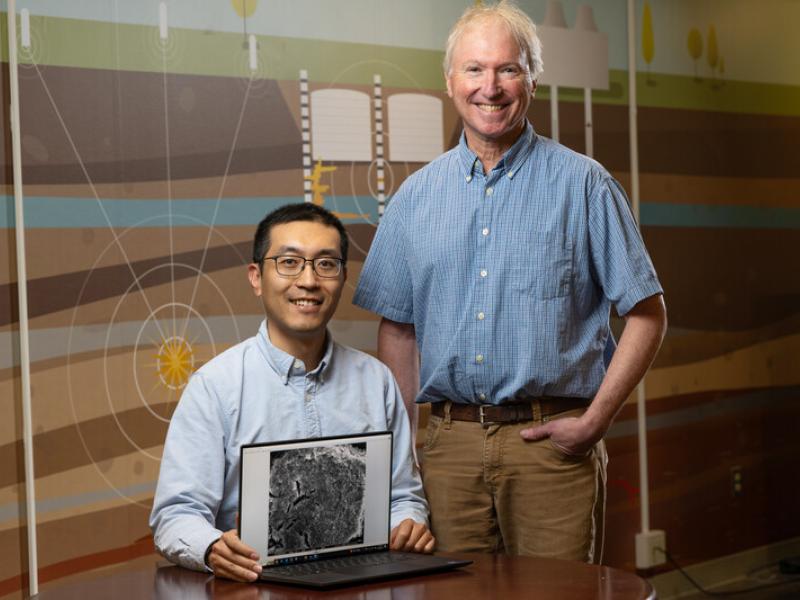
A PNNL Deep Vadose Zone Program publication that shows ferrihydrite helps protect groundwater is featured on the cover of ACS Earth and Space Chemistry.