From developing new energy storage materials to revealing patterns of Earth’s complex systems, studies led by PNNL researchers are recognized for their innovation and influence.
The ability of a storm-resolving weather model to predict the growth of storms over central Argentina was evaluated with data from the Clouds, Aerosols, and Complex Terrain Interactions (CACTI) field campaign in central Argentina.
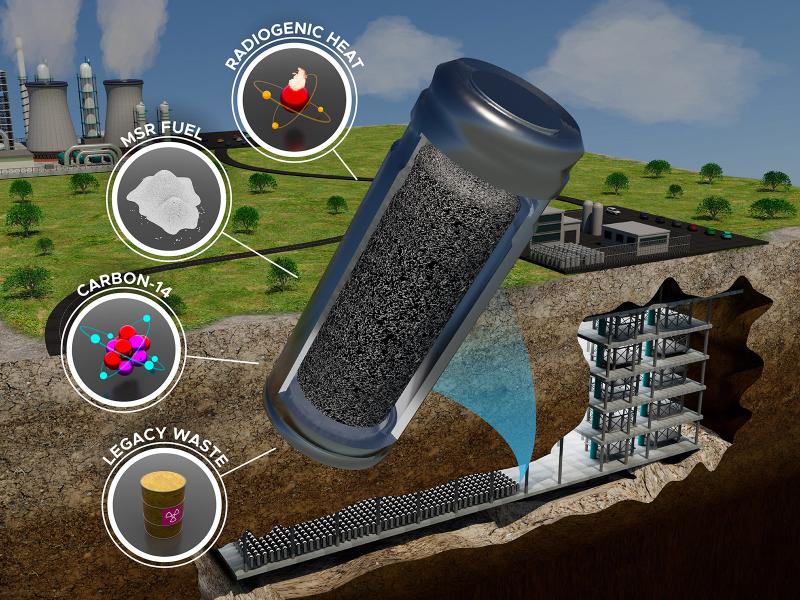
PNNL researchers continue to deliver high-quality, high-impact research on radioactive waste and nuclear materials management, earning “Papers of Note” and “Superior Paper” awards.
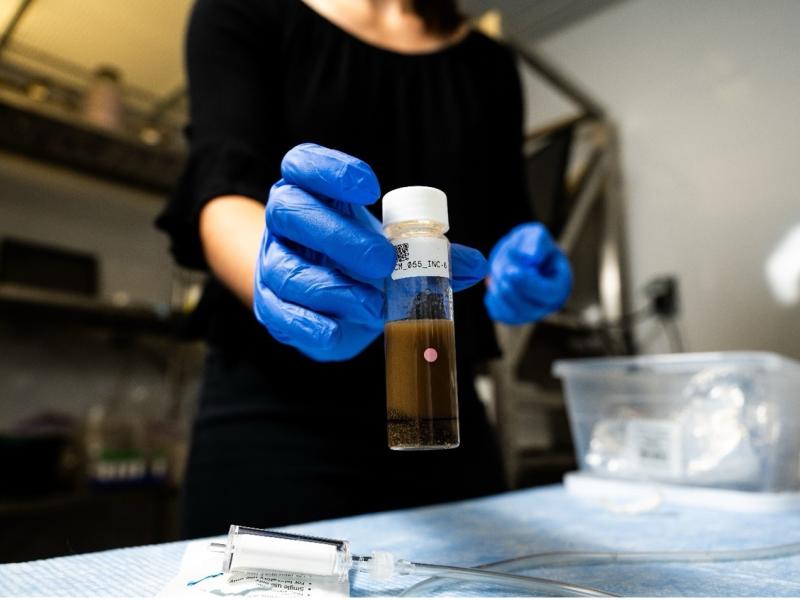
Researchers from PNNL and Parallel Works, Inc., applied machine learning methods to predict how much oxygen and nutrients are used by microorganisms in river sediments.
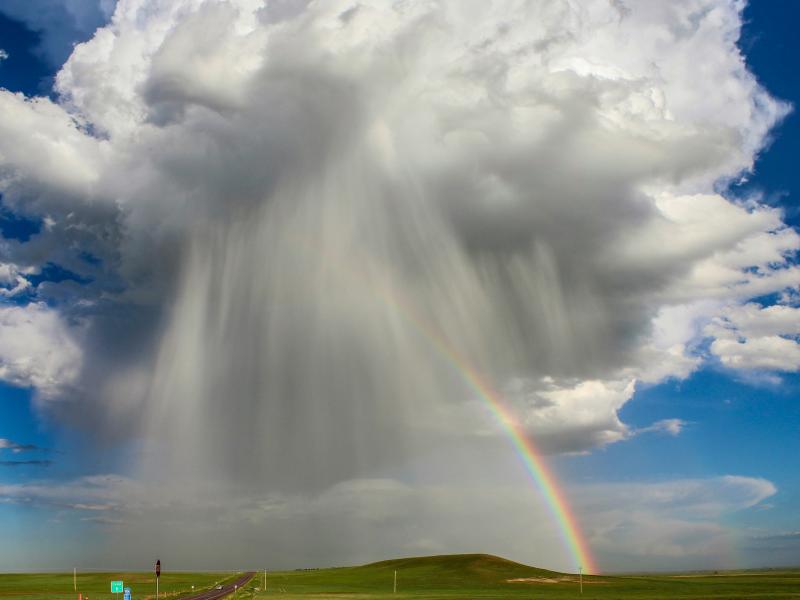
The rate of conversion of cloud droplets to precipitation, known as the autoconversion rate, remains a major source of uncertainty in characterizing aerosol’s cloud lifetime effects and precipitation in global and regional models.
To assess the impact of observation period and gauge location, model parameters were learned on scenarios using different chunks of streamflow observations.
PNNL's E-COMP initiative is helping unleash American energy innovation with advanced theories, models, and software tools to better operate power systems that rely heavily on high-speed power electronic control.
This study presents an automated method to detect and classify open- and closed-cell mesoscale cellular convection (MCC) using long-term ground-based radar observations.
Researchers at PNNL are pursuing new approaches to understand, predict and control the phenome—the collection of biological traits within an organism shaped by its genes and interactions with the environment.
For PNNL’s Jonathan Evarts, Hope Lackey, and Erik Reinhart, this partnership with WSU opened doors and provided opportunities for their scientific careers to flourish.
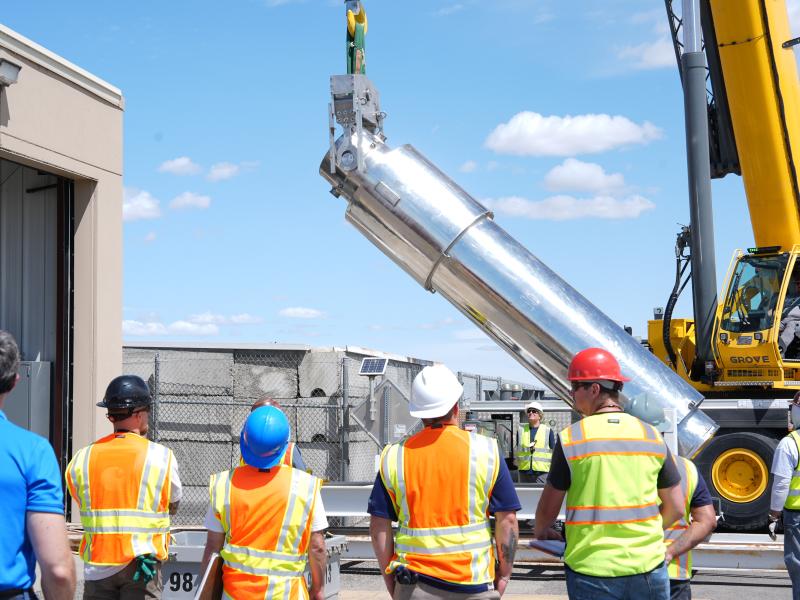
Four engineers at PNNL received awards for nuclear science presentations related to Hanford Site cleanup at the annual meeting of the world's leading organization for chemical engineering professionals.
PNNL researchers earned five Papers of Note, 17 Superior Papers, and one poster award for their environmental remediation, radioactive waste, and nuclear energy-related presentations.
Kriston Brooks received the 2023 Department of Energy Office of Classification Outstanding DC Award, which is given to those in the classification community who have made significant contributions.
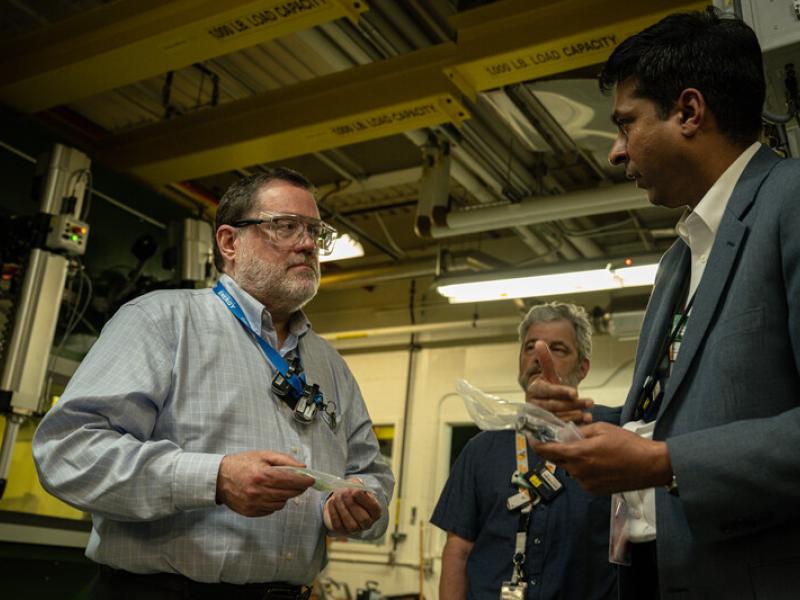
The Department of Energy Office of Nuclear Energy acting assistant secretary makes his first visit to a national laboratory in his new role, touring PNNL's Radiochemical Processing Laboratory.